
About Gold
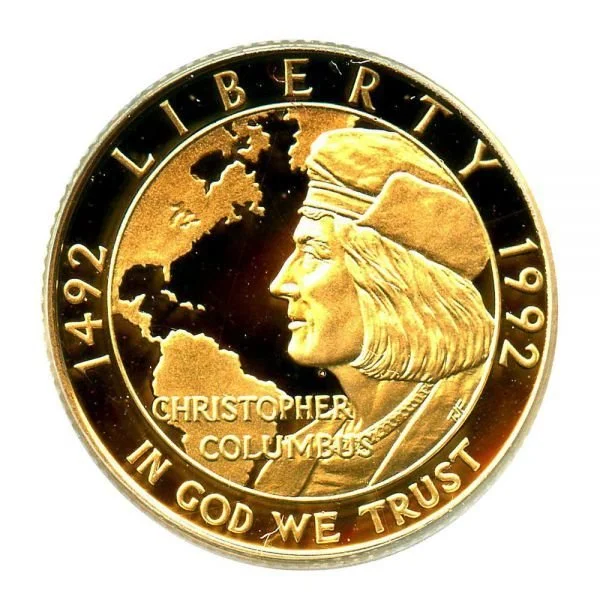
in "Gold is a treasure, and he who possesses it does all he wishes in paradise" Christopher into this world, and succeeds in helping souls into paradise."paradise" - Christopher Columbus.
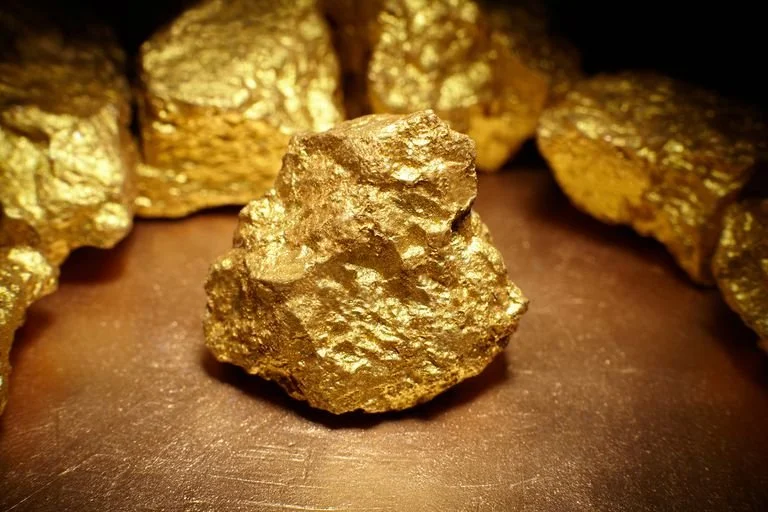
Chemical element
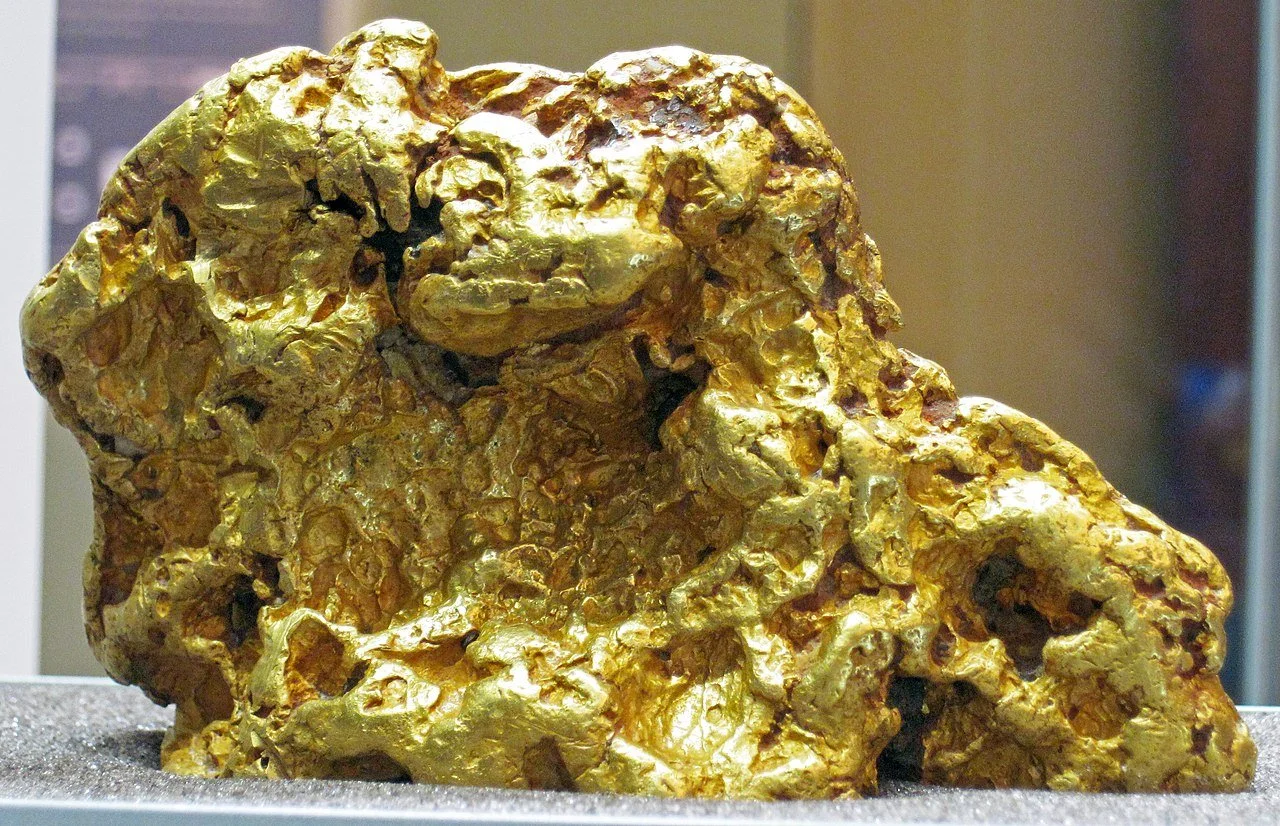
Gold is a chemical element with the symbol Au (from Latin: aurum) and atomic number 79, making it one of the higher atomic number elements that occur naturally. In a pure form, it is a bright, slightly reddish yellow, dense, soft, malleable, and ductile metal. Chemically, gold is a transition metal and a group 11 element. It is one of the least reactive chemical elements and is solid under standard conditions. Gold often occurs in free elemental (native) form, as nuggets or grains, in rocks, in veins, and in alluvial deposits. It occurs in a solid solution series with the native element silver (as electrum), naturally alloyed with other metals like copper and palladium and also as mineral inclusions such as within pyrite. Less commonly, it occurs in minerals as gold compounds, often with tellurium (gold tellurides).
Gold is resistant to most acids, though it does dissolve in aqua regia (a mixture of nitric acid and hydrochloric acid), which forms a soluble tetrachlorocuprate anion. Gold is insoluble in nitric acid, which dissolves silver and base metals, a property that has long been used to refine gold and to confirm the presence of gold in metallic substances, giving rise to the term acid test. Gold also dissolves in alkaline solutions of cyanide, which are used in mining and electroplating. Gold dissolves in mercury, forming amalgam alloys, and as the gold acts simply as a solute this is not a chemical reaction.
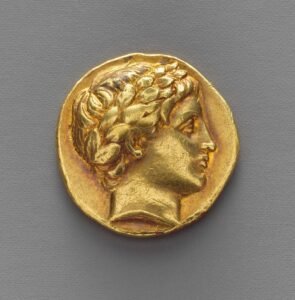
A relatively rare element, gold is a precious metal that has been used for coinage, jewelry, and other arts throughout recorded history. In the past, a gold standard was often implemented as a monetary policy, but gold coins ceased to be minted as a circulating currency in the 1930s, and the world gold standard was abandoned for a fiat currency system after 1971.
A total of around 201,296 tons of gold exists above ground, as of 2020. This is equal to a cube with each side measuring roughly 21.7 meters (71 ft). The world consumption of new gold produced is about 50% in jewelry, 40% in investments, and 10% in industry. Gold's high malleability, ductility, resistance to corrosion and most other chemical reactions, and conductivity of electricity have led to its continued use in corrosion resistant electrical connectors in all types of computerized devices (its chief industrial use). Gold is also used in infrared shielding, colored-glass production, gold leafing, and tooth restoration. Certain gold salts are still used as anti-inflammatories in medicine. As of 2017, the world's largest gold producer by far was China with 440 tons per year.


History
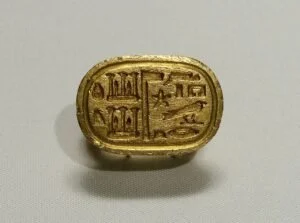
The earliest recorded metal employed by humans appears to be gold, which can be found free or "native". Small amounts of natural gold have been found in Spanish caves used during the Paleolithic period, c. 40,000 BC. Gold artifacts made their first appearance in Ancient Egypt at the very beginning of the pre-dynastic period, at the end of the fifth millennium BC, and appear in the archeology of Lower Mesopotamia. The oldest known map of a gold mine was drawn in the 19th Dynasty of Ancient Egypt (1320-1200 BC), whereas the first reference to gold was recorded in the 12th Dynasty around 1900 BC. Egyptian hieroglyphs describe gold, which King Tushratta of the Mitanni claimed was "more painful than dirt" in Egypt. Large mines were present across the Red Sea in what is now Saudi Arabia.
Gold is mentioned frequently in the old Testament, starting with Genesis 2:11, the story of the golden calf, and many parts of the temple. In the new Testament, it is included with the gifts of the magi in the first chapters of Matthew. The book of Revelation 21:21 describes the city of New Jerusalem as having streets "made of pure gold, clear as crystal".
In Roman metallurgy, new methods, for extracting gold on a large scale were developed by introducing hydraulic mining methods, especially in Hispania from 25 BC onwards. One of their largest mines was Las Medulas in Leon, where seven long aqueducs enabled them to sluice most of a large alluvial deposit. They also exploited smaller deposits in Britain.
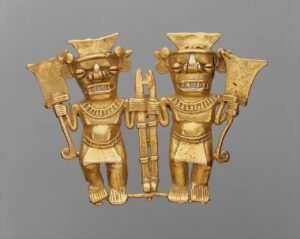
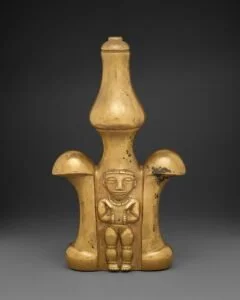
The European exploration of the Americas was fueled in no small part by reports of the gold ornaments displayed in great profusion by Native American peoples, especially in Mesoamerica, Peru, Ecuador and Columbia. The Aztecs regarded gold as the product of the gods, calling it literally "gold excrement", and after Moctezuma II was killed, most of his gold was shipped to Spain. However, for the indigenous peoples of North America gold was considered useless and they saw much greater value in other minerals which were directly related to their utilities, such as obsidian, flint, and slate.
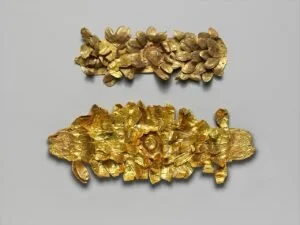
The Dome of the Rock is covered with an ultra-thin golden glassier. The Sikh Golden Temple is a building covered with gold. The Wat Phra Kaew Buddhist temple in Thailand has ornamental gold-leafed statues and roofs. Some European king and queen's crowns were made of gold, and gold was used for the bridal crown since antiquity. An ancient Talmudic text circa 100 AD describes Rachel, wife of Rabbi Akiva, receiving a "Jerusalem of Gold" 0(diadem). A Greek burial crown made of gold was found in a grave circa 370 BC. The top prize at the Olympic Games and many other sports competitions is the gold medal.
According to the United States Geological Survey in 2016, about 5,726,000,000 troy ounces (178,000 t) of gold has been accounted for, of which 85% remains in active use. 75% of the presently accounted for gold has been extracted since 1910, two-third since 1950.


History
Gold is a chemical element with the symbol Au (from Latin: aurum) and atomic number 79, making it one of the higher atomic number elements that occur naturally. In a pure form, it is a bright, slightly reddish yellow, dense, soft, malleable, and ductile metal. Chemically, gold is a transition metal and a group 11 element. It is one of the least reactive chemical elements and is solid under standard conditions. Gold often occurs in free elemental (native) form, as nuggets or grains, in rocks, in veins, and in alluvial deposits. It occurs in a solid solution series with the native element silver (as electrum), naturally alloyed with other metals like copper and palladium and also as mineral inclusions such as within pyrite. Less commonly, it occurs in minerals as gold compounds, often with tellurium (gold tellurides).
Gold is resistant to most acids, though it does dissolve in aqua regia (a mixture of nitric acid and hydrochloric acid), which forms a soluble tetrachlorocuprate anion. Gold is insoluble in nitric acid, which dissolves silver and base metals, a property that has long been used to refine gold and to confirm the presence of gold in metallic substances, giving rise to the term acid test. Gold also dissolves in alkaline solutions of cyanide, which are used in mining and electroplating. Gold dissolves in mercury, forming amalgam alloys, and as the gold acts simply as a solute this is not a chemical reaction.
A relatively rare element, gold is a precious metal that has been used for coinage, jewelry, and other arts throughout recorded history. In the past, a gold standard was often implemented as a monetary policy, but gold coins ceased to be minted as a circulating currency in the 1930s, and the world gold standard was abandoned for a fiat currency system after 1971.
A total of around 201,296 tons of gold exists above ground, as of 2020. This is equal to a cube with each side measuring roughly 21.7 meters (71 ft). The world consumption of new gold produced is about 50% in jewelry, 40% in investments, and 10% in industry. Gold's high malleability, ductility, resistance to corrosion and most other chemical reactions, and conductivity of electricity have led to its continued use in corrosion resistant electrical connectors in all types of computerized devices (its chief industrial use). Gold is also used in infrared shielding, colored-glass production, gold leafing, and tooth restoration. Certain gold salts are still used as anti-inflammatories in medicine. As of 2017, the world's largest gold producer by far was China with 440 tons per year.
WHY ART IS A GOOD INVESTMENT
fine investment,The fine art market continues to boom. Fine art can be a Fine Investment according to Investopedia (Jun 28, 2020)
Gold has occupied a unique social status for millennia, from the ancient Egyptians to the modern U.S. Treasury. Gold is recognized since primitive times to symbolize wealth and luck as well as strengthen confidence.
Gold, with its warm glow, represents the sun, the center of our solar system and around which all other planets rotate, making it magnetic. Golden objects are considered more potent for magnetizing and attracting greater wealth. Owning gold can act as a hedge against inflation and deflation alike, as well as a good portfolio diversifier. Gold is going up in value because the demand exceeds the supply, just like anything else.
Art is the conscious use of skill and creative imagination in the production of aesthetic objects. Art is inspiring us, inciting new questions and provoking curiosity, excitement, and outrage. Art has the power to educate people and to promote cultural appreciation among a generation that’s currently preoccupied with their technology.
The rarity of a work of art is what gives it value.
Several factors determine the value of fine art—the size of the edition (that is, the number of prints the artist makes of one work), the significance of the work, the condition of the print, and whether it is signed and numbered by the artist.

Sarah Bettencourt stated for Listen Money Matters
Investing in art is an amazing opportunity, especially if you’re someone who has always wanted to become involved or be more involved in the art world. You can create financial stability with investing in art and making it a part of your overall investment portfolio. Plus, think of the sweet conversations you could have with your friends and family when you talk about your kick-ass investments.
WHY YOU MUST INVEST IN GOLD
High inflation and fiscal deficit are conductive for gold prices. 4 reasons why you must invest in Gold according to MoneyControl (Jan 28, 2021) :
Stimulus and Inflation : As the economy is expected to take more time to recover, more stimulus is expected from central bankers all over the world, including in the US. This should propel gold prices upwards
Low or negative real rates : investors find gold as an attractive investment option to protect their purchasing power, given that the yellow metal acts as a hedge against inflation
Geo-political risks still exist : The world is starting to lose confidence that the heavily indebted US can keep paying its bills. The euro overtaking the dollar to become the most used currency for global payments is one indication of that. Gold, which is priced in dollars, to be a big beneficiary if a crisis of confidence plagues the world’s reserve currency.
Overvalued stock markets : Investors have seen handsome gains on equity investments, as stock prices rallied. But the fear of a possible correction is playing on their minds now, as valuations are steep. One may find it difficult to invest, as despite the recent corrections, markets are at high levels. Since gold has a negative correlation with equities, it is a good idea to allocate some money to gold to contain the downside of the overall portfolio.